

Wearable Resistance for Stroke Rehabilitation
Resistance That Supports Guided Movement
Add wearable resistance to selected post-stroke exercises involving affected-limb training, walking, balance, strength, and functional movement when appropriate within a clinician-guided rehabilitation program.

Support Progressive Resistance

Support Functional Movement

Train Affected Limbs

Support Gait & Balance
Shop the Collection
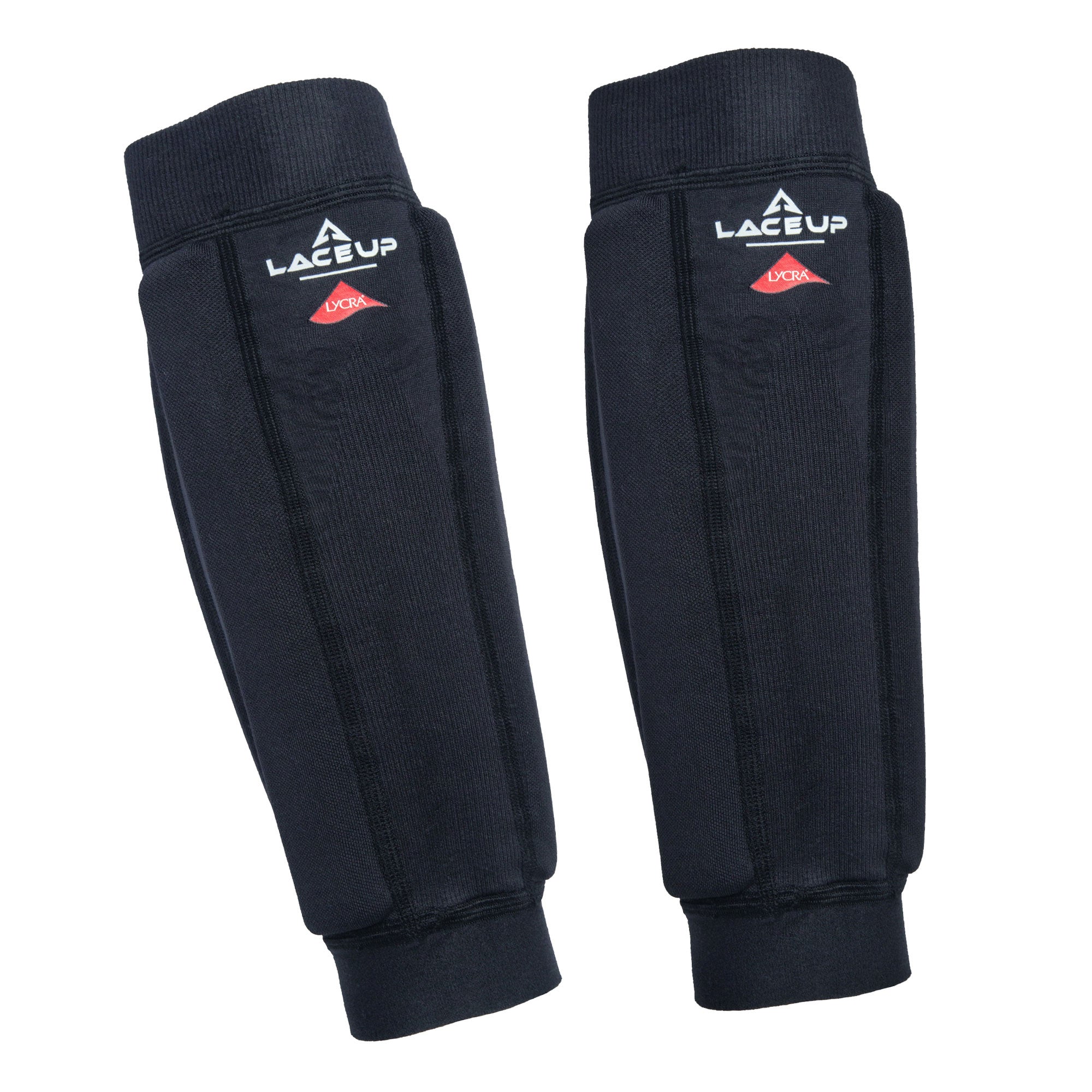
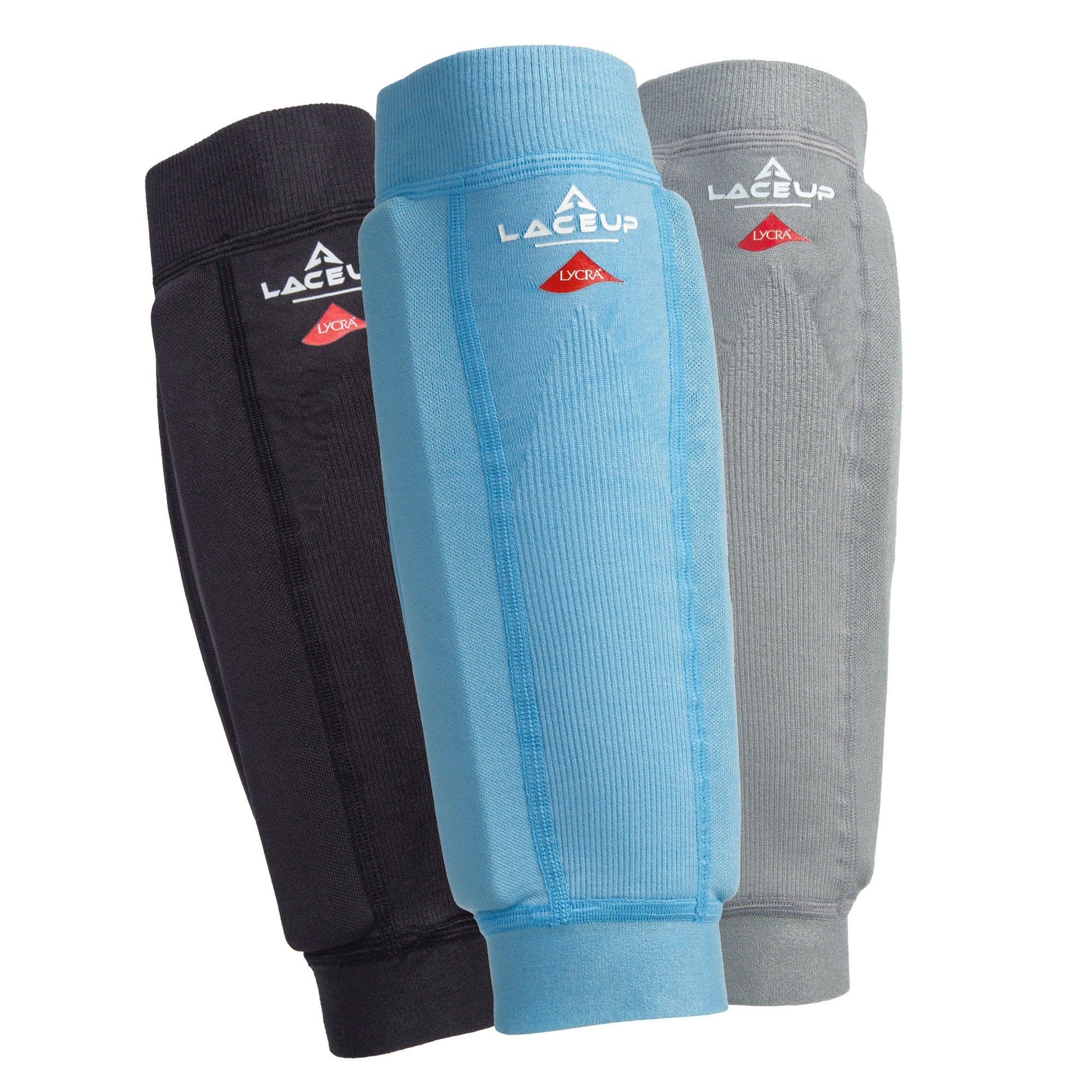
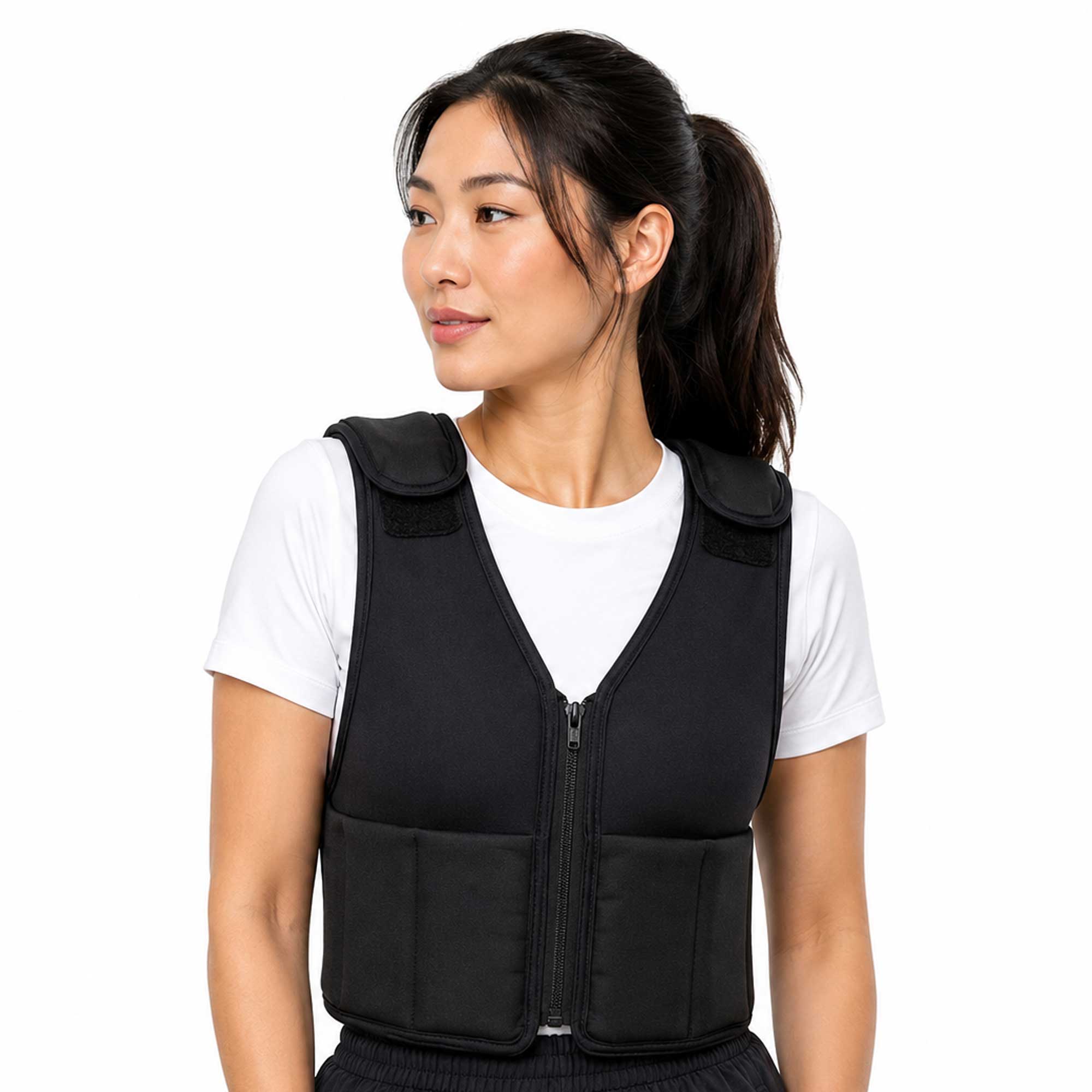
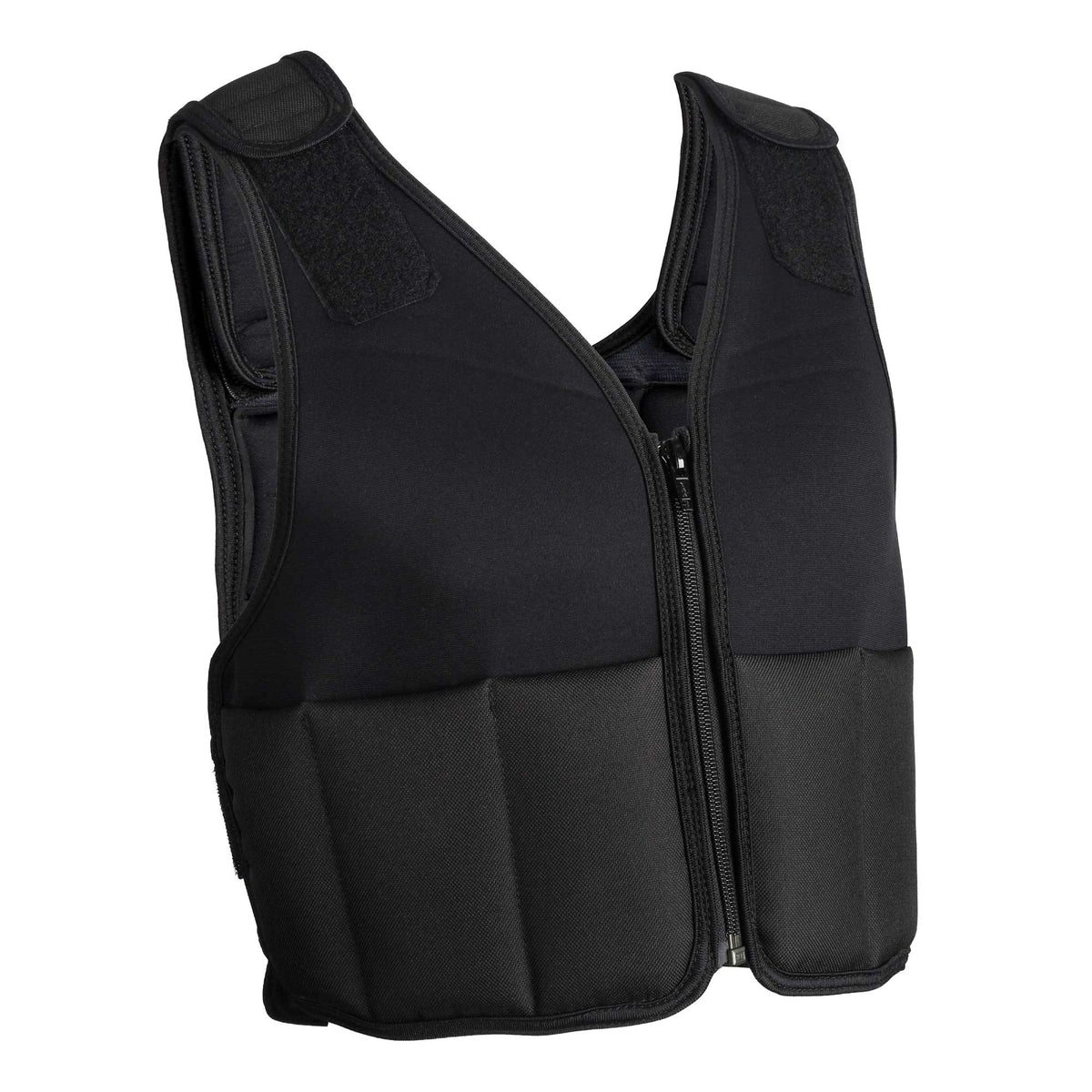
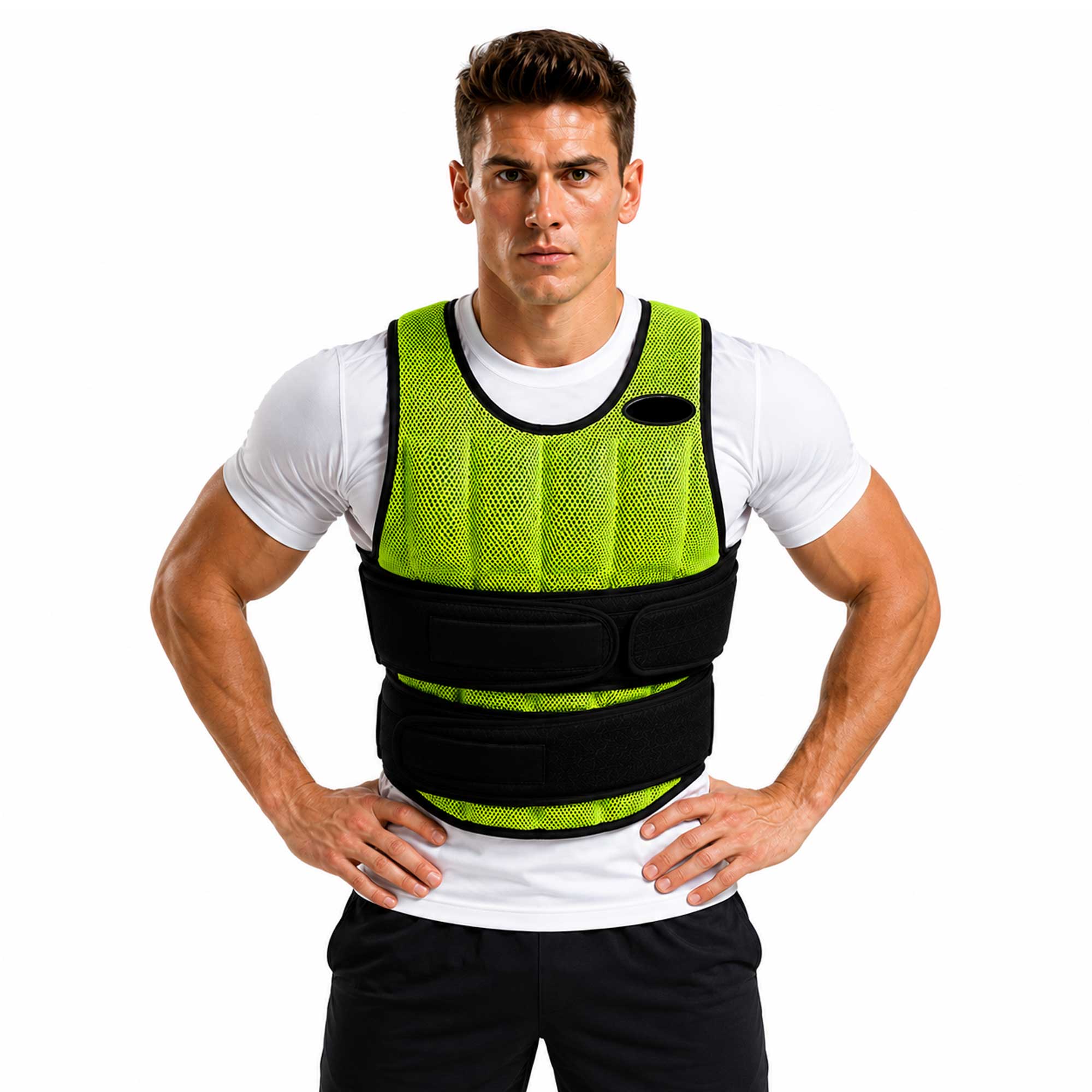
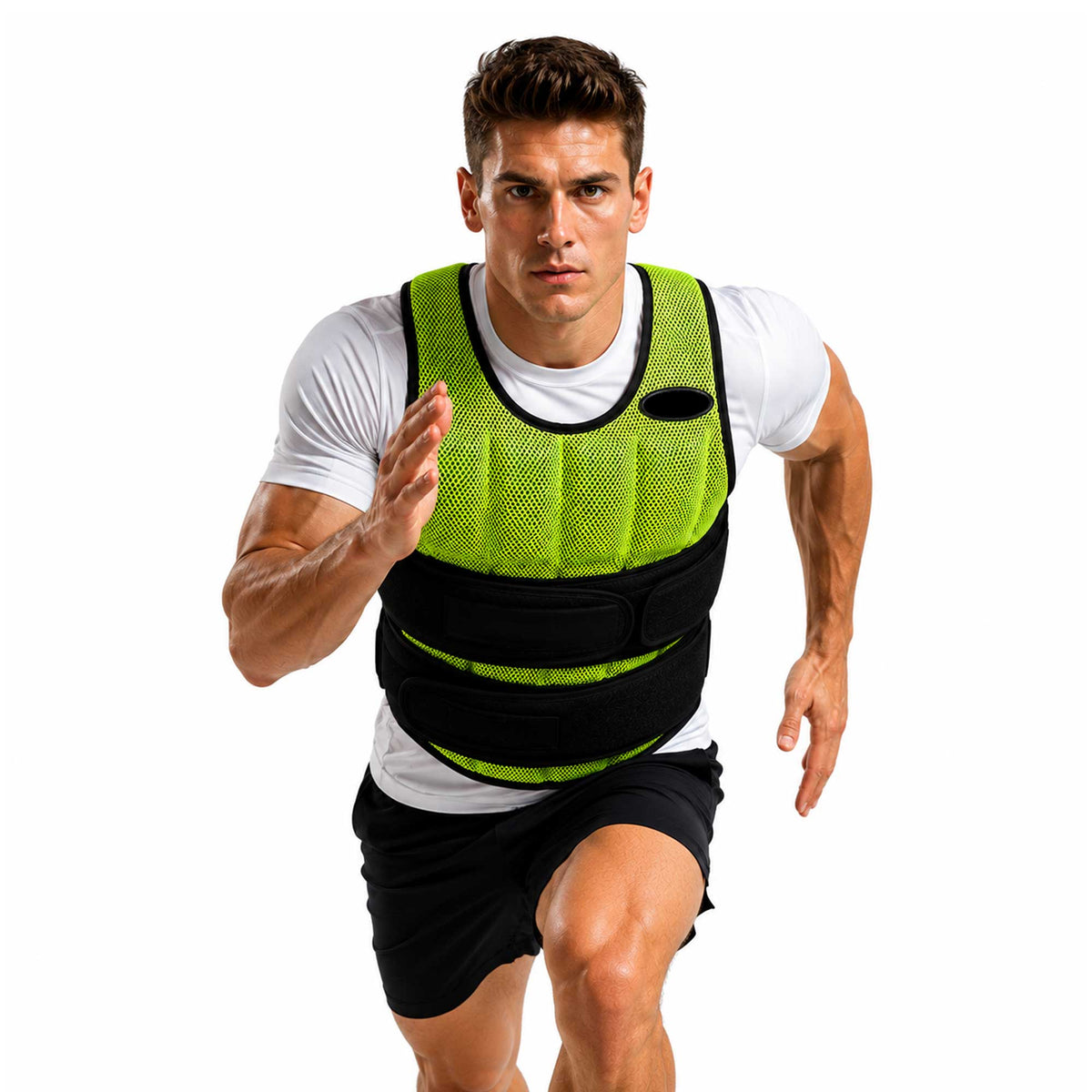
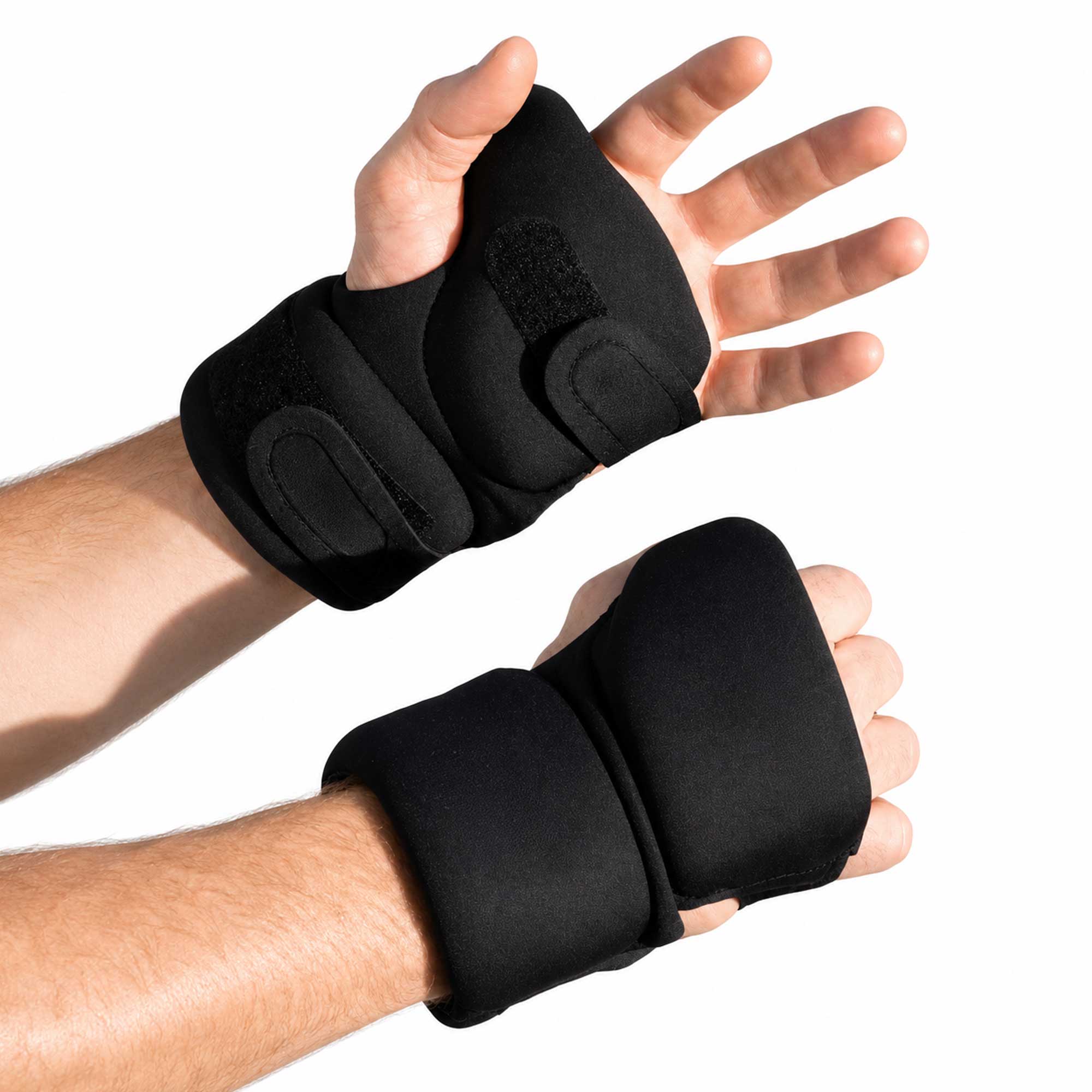

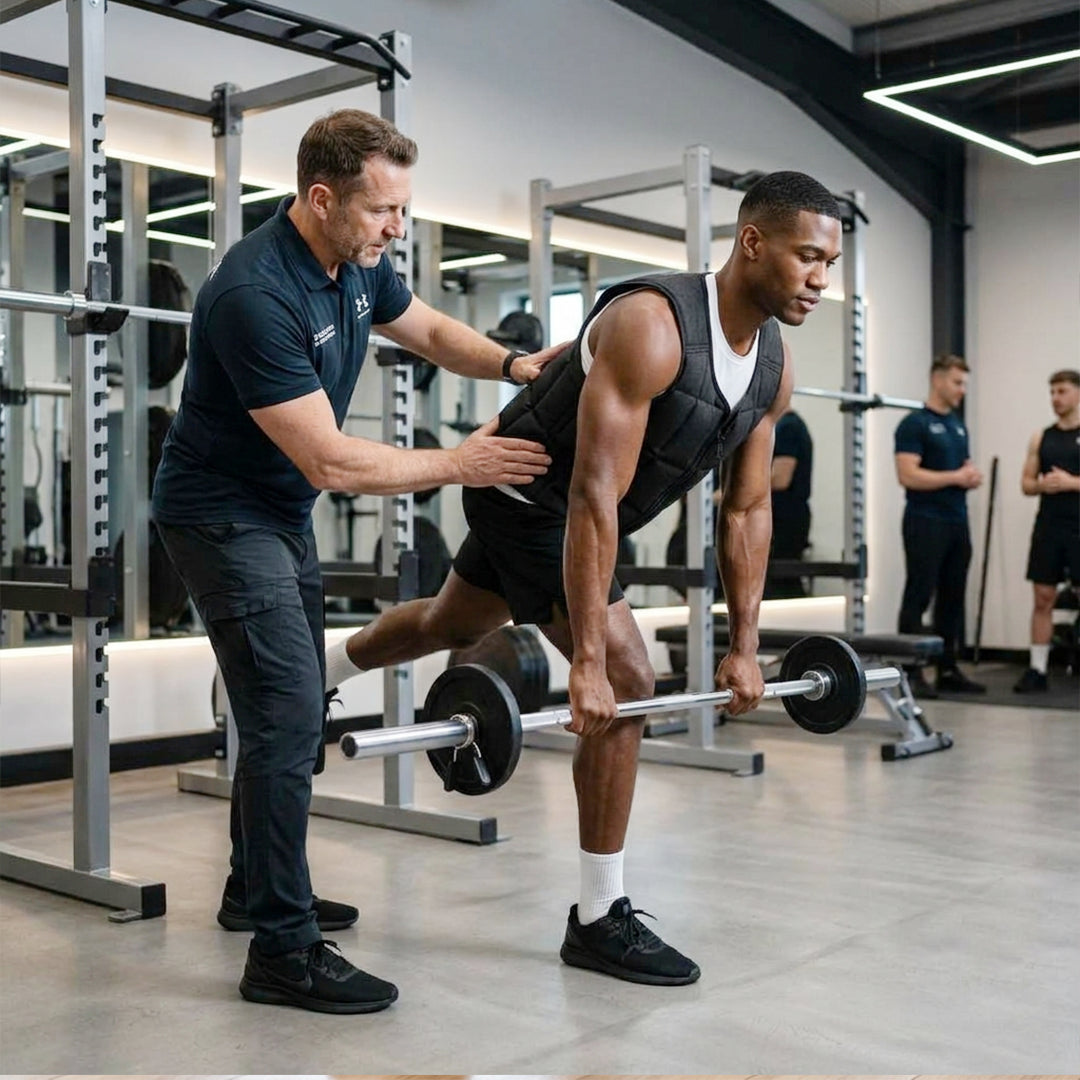
Why LaceUp for Stroke Rehabilitation
Wearable resistance can provide another way to add external load to selected rehabilitation exercises. A qualified healthcare professional should determine whether resistance is appropriate, which exercises to use, and how loading should progress.
- Support clinician-guided programs
- Add adjustable external resistance
- Support affected-limb training
- Progress resistance as appropriate


Frequently Asked Questions
View allCan resistance training be used after a stroke?
Resistance training may be included in some post-stroke rehabilitation programs. Exercise selection and loading should be based on individual ability and professional guidance.
Can wearable weights be used in stroke physical therapy?
They may be used during selected exercises when a qualified healthcare professional determines they are appropriate.
What exercises may be used for arm weakness after stroke?
Programs may include reaching, lifting, grasping, supported arm movement, and task-based strengthening depending on individual ability and rehabilitation goals.
Can resistance be used in gait and balance rehabilitation?
Suitable resistance may be incorporated into selected walking, stepping, or balance exercises with appropriate supervision and support.
Should weighted exercise be supervised after stroke?
Professional guidance is important. A qualified healthcare professional can determine whether resistance is suitable and how it should be used.


